Digital Planner vs Paper Planner: Which One Is Better for Productivity and Real Life?
Compare digital planners and paper planners in a practical way, from flexibility and clutter to handwriting, returnability, and long-term planning habits.
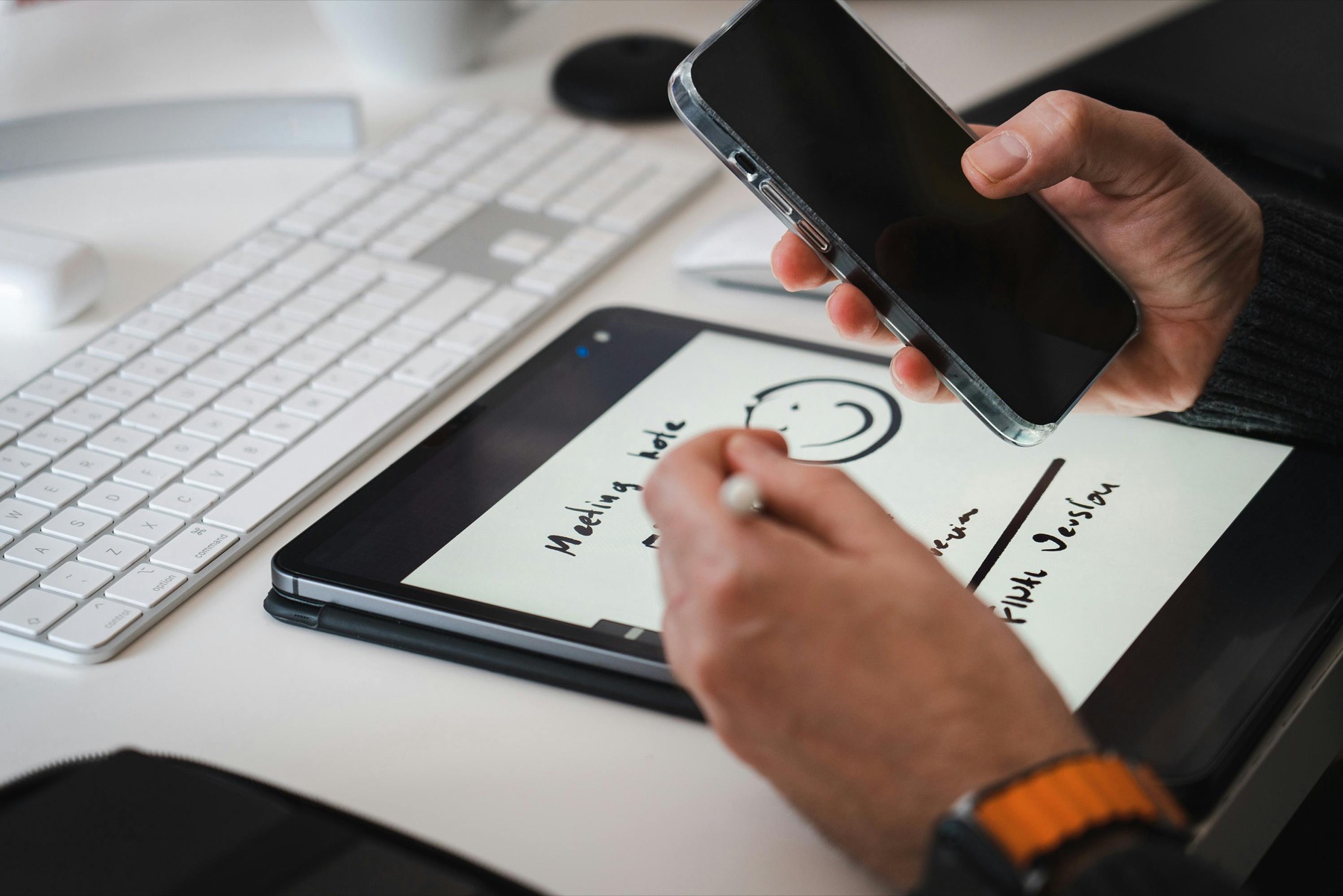
Photo by Jakub Zerdzicki on Pexels.
The better planner is not the one that looks more productive. It is the one that makes it easier to capture, review, and follow through on real life.
Why this comparison matters more than it sounds
The debate between digital planners and paper planners often gets reduced to preference, but the real issue is function. Most people are not looking for a planner identity. They are looking for a system that helps them think clearly, track what matters, and keep up with the moving parts of their week. When that is the goal, the better planner is simply the one that removes more friction from your actual life.
That is why broad claims like paper is more mindful or digital is more efficient only go so far. A paper planner can feel grounding and calm, but it can also become limiting when life gets layered. A digital planner can feel flexible and spacious, but only if the setup stays simple enough to use. The better decision comes from matching the planner to the kind of complexity you need it to hold.
Where paper planners still win
Paper planners have real strengths. They are tactile, immediate, and delightfully limited. You open the book and the page is right there. There is nothing to import, no stylus to choose, and no app interface standing between you and the planning surface. For people who want a low-tech weekly ritual or who actively want less screen time, those limits can make planning feel more peaceful.
Paper also works well when your system is relatively simple. If you mainly need appointments, a short task list, and a place to note a few priorities, then paper may be all you need. The issue is not that paper is less serious. It is that paper starts to strain when your planner is expected to hold schedules, notes, trackers, projects, and changing life contexts all at once.
- arrow_right_altPaper is excellent for low-tech focus and simple weekly structure.
- arrow_right_altIt works best when planning happens mostly in one place.
- arrow_right_altIts limits can be helpful when you want less complexity, not more.
Product spotlight
A soft landing from paper to digital
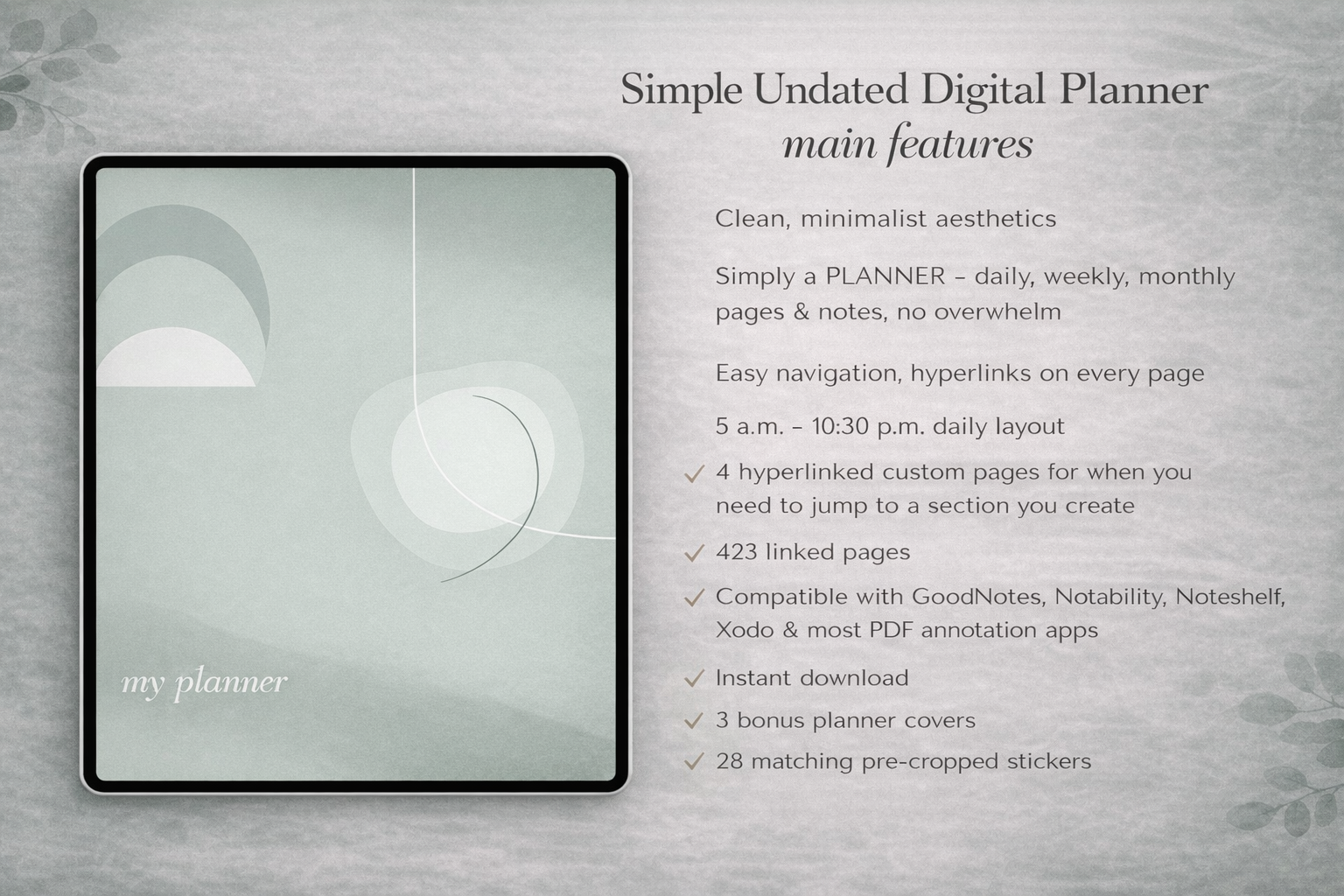
PlannerPier's Simple Undated Digital Planner keeps the page flow clean for users who want more flexibility without losing the clarity of a traditional planner.
- check_circleUndated pages make re-entry easier after missed weeks
- check_circleLinked sections reduce scrolling and visual clutter
- check_circleUseful as a standalone planner or beside a digital notebook
Where paper usually becomes limiting
The same simplicity that makes paper attractive can become restrictive. You cannot duplicate a page that works beautifully. You cannot jump from a weekly spread to a notes section for one project in a single tap. You cannot keep a planner, notebook, tracker, and reference system together without carrying more physical material. And if you stop using a dated planner for a while, the visible unused pages can make re-entry feel heavier than it should.
This is often the moment people become curious about digital planning. They do not switch because paper failed morally. They switch because their life outgrew the format. Once responsibilities start spilling into extra notebooks, sticky notes, and phone reminders, a digital system can hold the same information with far less physical and mental clutter.
Why digital planners fit layered modern routines
Digital planners keep the benefits of handwriting while adding speed and flexibility. You can move between months, weeks, notes, and trackers using hyperlinks. You can duplicate useful daily pages. You can keep a notebook beside your planner without doubling the physical load of your system. That matters when your week includes work, family, admin, study, health tracking, and creative projects all in the same life.
Products like the Simple Undated Digital Planner and the Digital Notebook for iPad & GoodNotes are especially useful because they are designed to reduce clutter rather than add more. The layout stays calm, the navigation stays clear, and the system feels easier to return to after interruptions.
Productivity is really about returnability
One of the most overlooked parts of planning is how easy it is to come back after a messy day, a missed week, or a stressful season. That is where digital planning often has a practical edge. An undated digital planner lets you reopen the next useful page without feeling judged by everything you skipped. That makes the habit more resilient, which matters more than perfection.
This is also why guided planners can be so useful for certain users. The ADHD Digital Planner 2026 is designed for lower-friction re-entry, clearer focus, and reduced mental overload. That kind of support is hard to replicate in a standard paper planner unless you build a custom system around it yourself.
How to choose honestly between the two
If you truly want a low-tech ritual, plan mostly at one desk, and do not need your planner to hold much beyond dates and tasks, paper may still be the better fit. But if you already use an iPad, need planning plus notes, want to duplicate pages, or struggle with clutter and re-entry, a digital planner will usually give you a stronger long-term system.
The goal is not to choose the more aesthetic option. It is to choose the one you can maintain. For many modern users, especially anyone already living in digital notes and tablet workflows, that means digital planning is not just trendy. It is simply more practical.
Frequently asked questions
Is a digital planner better than a paper planner for productivity?
For many busy users, yes. Digital planners make it easier to keep planning, notes, and trackers together and to restart after interruptions.
Why do some people still prefer paper planners?
Paper planners feel tactile, screen-free, and immediate, which can be ideal for users with simpler schedules or a strong preference for analog planning.
Who should switch from paper to digital planning?
People with layered routines, changing schedules, or a need to combine planning with notes and trackers usually benefit most from switching.
Which PlannerPier product is best if I am moving from paper to digital?
The Simple Undated Digital Planner is a strong starting point because it keeps the structure calm while giving you more flexibility than paper.
Try a planner system built for real life
If paper planning has started to feel limiting, explore PlannerPier's digital planners and notebooks for a more flexible system that still feels natural to use.