How to Use a Digital Planner for Goal Setting, Habit Tracking, and Quarterly Focus
Learn how to use a digital planner for goals, habits, and quarterly planning without turning your iPad planner into another overwhelming system.
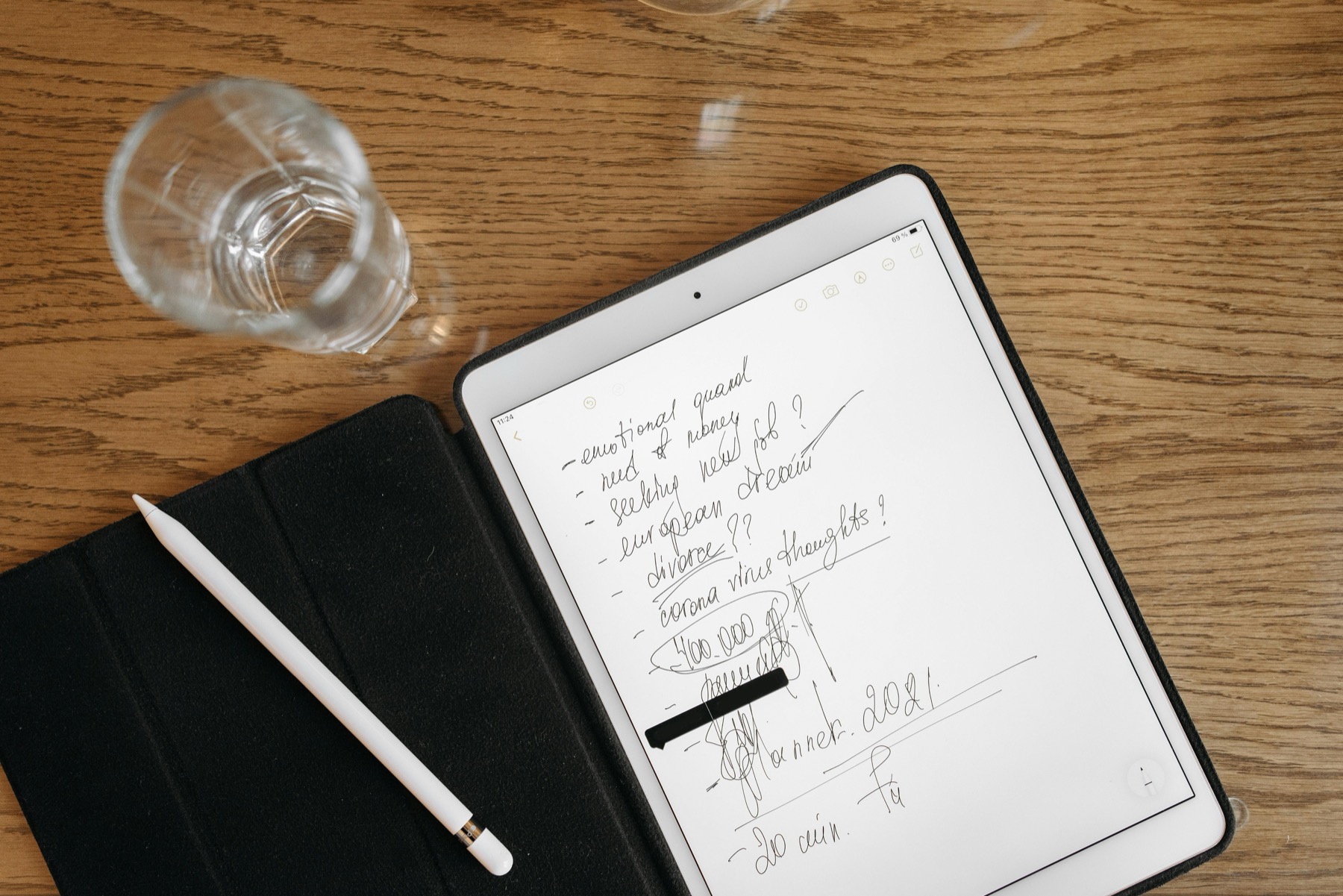
Photo by Pavel Danilyuk on Pexels.
Good goal planning is not about writing bigger intentions. It is about turning them into repeatable weekly evidence that you are moving.
Why goal setting fails inside many digital planners
A lot of goal pages look inspiring and perform well in product previews, but they quietly fail in real use because they are not connected to weekly action. Users write goals in January, add a few habits in February, and then never look at those pages again. The planner becomes an archive of good intentions instead of a tool for follow-through.
That is not a digital planning problem. It is a systems problem. Goals need a rhythm. They need a place in quarterly review, monthly planning, weekly scheduling, and small habit evidence. Without those links, goal setting stays emotional instead of operational.
Start with quarterly focus, not a huge yearly wish list
Quarterly planning works well because it is long enough to create momentum and short enough to stay believable. Instead of trying to transform every area of life at once, choose one to three meaningful outcomes for the next quarter. Then identify the habits, milestones, or recurring actions that will support them.
This is where an undated planner becomes especially practical. The PlannerPier Simple Undated Digital Planner gives you the freedom to build goal pages and review cycles without waiting for a new year or feeling that missed months have ruined the whole system.
- arrow_right_altChoose one to three serious priorities for the quarter.
- arrow_right_altDefine what progress looks like before you define perfect success.
- arrow_right_altLink each goal to a weekly action or habit you can actually measure.
Product spotlight
A goal-focused reset planner that keeps momentum visible
PlannerPier 30 Day Glow Up Reset Planner helps you break larger goals into daily action, light habit tracking, and weekly resets so the planner supports consistency instead of perfectionism.
- check_circleUseful for quarterly resets, personal goals, and routine rebuilding
- check_circleCombines habit tracking with reflection instead of streak pressure
- check_circleHelps goal tracking feel structured, supportive, and easier to sustain
How to track habits without making the planner feel heavy
Habit tracking is valuable when it teaches you something, not when it punishes inconsistency. A good tracker helps you notice which habits support your energy, focus, budgeting, or wellness and which ones collapse under your current season. That information is useful even when you miss days.
If you want a stronger short-cycle habit framework, the PlannerPier 30 Day Glow Up Reset Planner is a natural fit because it combines daily structure, habit tracking, reset prompts, and weekly reviews in one low-pressure flow. It is especially good for people who want momentum fast without committing to a highly complex yearly planner.
Bring goals back into the weekly plan
The biggest shift happens when goals stop living on isolated inspiration pages and start showing up in weekly planning. During your weekly review, ask which goal deserves visible time this week. Then schedule the actions, not just the aspiration. A planner is where goals become real because it forces tradeoffs and time awareness.
For users who need more support around overwhelm, the PlannerPier ADHD Digital Planner 2026 can help because it blends weekly planning, daily support, check-ins, and reflection. That makes it easier to reconnect habits and priorities after an off week instead of abandoning the system entirely.
What to review at the end of each month or quarter
Reviewing goals is not only about asking whether you succeeded. Ask whether the goal still matters, whether the habit is helping, and whether the current structure is too heavy for your real life. Sometimes the right move is not to try harder. It is to simplify the path.
Digital planning helps here because you can scroll back through your own evidence. You can see skipped habits, repeated bottlenecks, and pages that never got used. That makes the review more honest and much more actionable than relying on memory alone.
Conclusion: goals stick when the planner keeps them visible
A digital planner becomes powerful for goals when it does more than store intentions. It helps you choose focus, track supporting habits, review patterns, and reconnect with the work after interruptions.
If your planner can do that in a calm, usable way, it becomes a real asset for time management and personal growth. The goal is not a prettier goals page. The goal is a system that makes progress easier to notice and easier to continue.
Frequently asked questions
Is a digital planner good for goal setting?
Yes, especially when it connects goals to weekly actions, habit tracking, and regular review instead of keeping them on isolated inspiration pages.
How many habits should I track in a digital planner?
Most people do better tracking a small number of meaningful habits rather than a long perfect-life checklist that becomes too heavy to maintain.
What is the best planner for a short reset around habits and goals?
A reset-focused planner with daily support, habit tracking, and weekly reflection works well because it gives you momentum without demanding a complex full-year setup.
Choose a planner that helps goals turn into visible progress
Daha düzenli bir hayat için PlannerPier ürünlerine göz atabilirsin. Visit https://www.plannerpier.com/ to explore planners that save time, support routine building, and make goal tracking easier.