Low-Energy Digital Planner Routine: How to Keep Planning During Busy or Burnout-Prone Weeks
Use a low-energy digital planner routine to stay organized during busy weeks, burnout recovery, ADHD overwhelm, or seasons when your usual planning system feels too heavy.
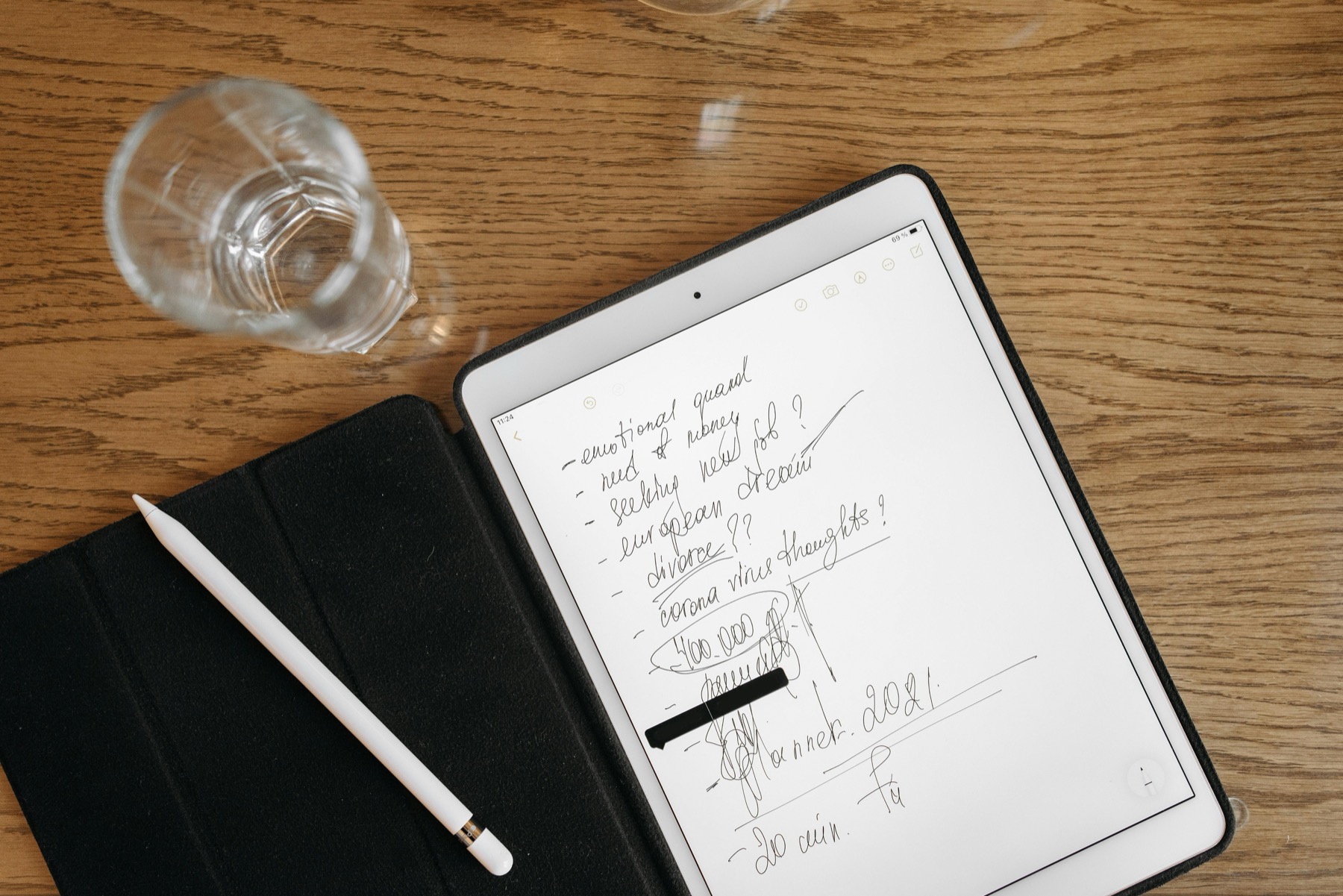
Photo by Pavel Danilyuk on Pexels.
The best planning routine for a hard week is not the most ambitious one. It is the one you can still keep when your energy is low.
Why normal planning advice fails in low-energy seasons
Many planning articles quietly assume you have stable energy, clear focus, and enough emotional bandwidth to maintain a full routine. Real life does not work that way. Some weeks are shaped by burnout, stress, illness, caregiving, grief, ADHD overwhelm, or just the compounding effect of too many open loops.
When energy drops, the usual advice often becomes another burden. Long reviews, detailed color coding, and highly structured routines can feel impossible. That is why a low-energy digital planner routine should be designed around minimum viable consistency rather than ideal productivity.
Shrink the system before you abandon it
The first move is not to quit planning. It is to make the system smaller. Use one weekly page, one daily focus page only when needed, and one short notes page for emotional spillover or loose tasks. Remove optional sections until the planner feels breathable again.
This is where digital planning helps. You do not have to throw away old pages or start over from scratch. You can simply return to a simpler spread and carry forward only what still matters. That flexibility often makes the difference between losing the habit completely and keeping a soft version alive.
The ADHD Digital Planner 2026 is especially useful in these seasons because it is built to reduce overwhelm and support a clearer weekly flow instead of rewarding perfectionism.
- arrow_right_altKeep one weekly page as your main control center.
- arrow_right_altUse daily pages only on days when focus support is actually needed.
- arrow_right_altMove unfinished tasks forward without treating them as failure.
Plan around capacity, not fantasy
A low-energy week becomes easier when you stop planning for your best-case self. Instead, plan for actual capacity. That means fewer priorities, more visible recovery time, and a realistic idea of what the week can hold. If the planner keeps presenting an impossible version of your life, it becomes a source of shame instead of support.
One helpful rule is to choose one must-do, one helpful-to-do, and one optional task each day. That keeps momentum without turning the page into an accusation. A digital planner makes this easier because you can reuse a steady structure and avoid rethinking the whole system every morning.
Use reflection pages to lower stress, not add homework
Reflection can be useful in hard weeks, but only if it stays simple. You do not need a five-page reset ritual. You need a few honest prompts: what is draining me, what is still important, what can wait, and what would make this week feel a little safer or lighter?
That is where a companion product like the Mental Health Journal can help. It gives emotional context to the planning process without forcing every thought into the weekly page. If sleep disruption is part of the issue, the Sleep Tracker Journal can also help you spot patterns affecting focus and energy.
Build a five-minute reset you can repeat
A sustainable low-energy routine usually has two touchpoints: a five-minute daily reset and a ten-minute weekly reset. In the daily reset, open the planner, review commitments, choose one meaningful task, and delete or defer anything unrealistic. In the weekly reset, move unfinished tasks forward, scan your calendar, and check any relevant health or mood patterns.
This rhythm saves time because it keeps the system current with very little effort. It also creates a sense of order without pretending everything is okay when it is not. Planning should support reality, not erase it.
If you want a softer daily practice alongside your planner, the Gratitude Journal Maker is a useful low-pressure tool because it encourages reflection without requiring a huge setup.
What to buy when you need gentler support
During low-energy periods, buyers often make one of two mistakes. They either buy the most elaborate all-in-one planner they can find, hoping it will fix everything, or they stop using planners completely. Usually the better move is something in the middle: a planner with low cognitive load plus one supporting tool or journal.
PlannerPier products work well here because they are built around function and calmer structure. They aim to save time, help you stay organized, and make it easier to restart. That is exactly what a low-energy routine needs.
Frequently asked questions
Can a digital planner help during burnout or low-energy weeks?
Yes, especially if you simplify the system and use it to reduce decisions instead of adding more planning work.
What is the best planner layout for low-energy weeks?
A simple weekly spread with optional daily pages and a short notes or reflection area usually works best.
Should I still track habits when I feel overwhelmed?
Only if the habit tracking helps you make gentler decisions. If it becomes guilt-inducing, reduce it to one or two meaningful signals.
Which PlannerPier products support low-energy routines best?
The ADHD Digital Planner, Mental Health Journal, and Sleep Tracker Journal are strong options because they support clarity, reflection, and pattern awareness without too much visual or cognitive load.
Choose planning tools that support you on hard weeks too
PlannerPier products are built to help you save time, stay organized, and keep a gentler planning rhythm when life feels heavy. Explore https://www.plannerpier.com/ for supportive planners, journals, and trackers.