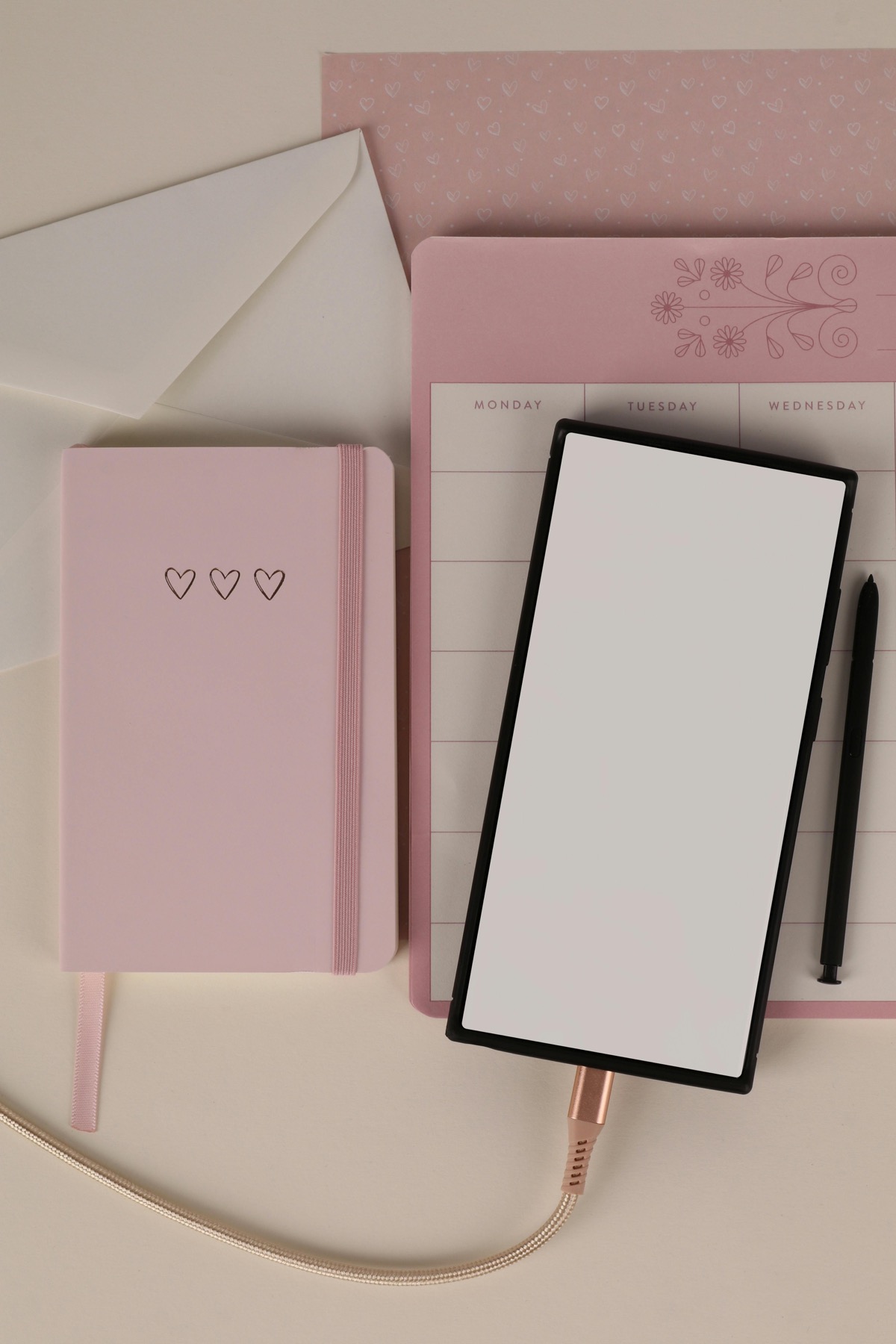
Paper feels tangible. Digital feels flexible. The better planner is the one that lowers friction enough for you to keep showing up to it in real life.
Curious about digital without overcommitting?
Try shaping your own page before buying a bigger planner
PlannerPier's Visual Planner Page Builder gives paper-planner users a softer entry into digital planning by letting them build a page that matches their real workflow.
Open Visual Planner Page BuilderWhy this comparison keeps coming up
People rarely search digital planner vs paper planner because they want a philosophical debate. They search because something is not working. Their paper planner is too limited, too bulky, or too easy to leave behind. Or their digital setup feels pretty but strangely disconnected from actual daily use. They want the option that will finally stick.
That makes this a valuable SEO topic because the reader is usually in a transition moment. They are rethinking how they manage time, goals, notes, or routines. If the content gives honest tradeoffs instead of hype, it can build significant trust and naturally lead into a product recommendation that feels earned.
Where paper planners still win
Paper planners still have real strengths. They feel tactile, finite, and distraction-free. For many people, writing on paper creates a sense of intention that no tablet fully replicates. There is also less setup. You open the planner and begin. That simplicity can be powerful, especially for people who dislike apps or spend enough time on screens already.
Paper can also feel emotionally cleaner. There are no import steps, no file libraries, and no temptation to tweak layouts for hours. If your main obstacle is tech resistance, a paper planner may genuinely be the better fit. The goal is not to force digital. It is to choose the format that removes the most resistance from regular planning.
- arrow_right_altTactile experience that many users find grounding and intentional.
- arrow_right_altNo app learning curve or import process.
- arrow_right_altStrong fit for people who want fewer screen-based routines.
Where digital planners usually win
Digital planners tend to win on flexibility, portability, and layered organization. One tablet can hold your planner, notebooks, class notes, wellness trackers, and sticker library without adding weight to your bag. Hyperlinked navigation also changes the experience meaningfully. Instead of flipping through a thick planner, you tap directly into the page you need.
Digital planning can also be more forgiving. If you prefer undated pages, reusable templates, or one notebook that adapts to different seasons of life, an iPad planner makes that easier. Many users who move digital are not rejecting paper itself. They are choosing a format that travels better and scales with more parts of their life.
Consistency depends on friction, not format loyalty
The planner that wins long-term is not automatically the paper one or the digital one. It is the one with the lower reopening cost. If paper works because it is always on your desk and takes zero setup, paper may create better consistency. If digital works because everything you need is in one tablet and hyperlinked tabs keep you moving fast, digital may create better consistency.
This is especially important for people with ADHD, shifting work routines, or all-in-one study systems. The more contexts your planner needs to touch, the more digital can become attractive. But if the digital system becomes too complicated, paper can feel like relief. The right decision is practical, not ideological.

The hidden advantage of digital for modern routines
A modern routine rarely lives in one place. Meetings happen in calendar apps. Class notes live in note apps. budgets live in spreadsheets. ideas arrive in voice notes. A digital planner can sit closer to all of that reality than paper can, especially when paired with Goodnotes or Notability. Imported PDFs, linked sections, and companion notebooks make it easier to keep planning connected to the rest of your life.
That does not mean digital needs to become complicated. In fact, the best digital planners often feel simple precisely because they organize complexity behind the scenes. Clear tabs, soft layouts, and repeatable weekly flows can make a digital planner feel almost as immediate as paper while offering much more flexibility.
What kind of person usually prefers each format
Paper often fits users who want a tactile ritual, low screen time, and a straightforward planning habit with minimal technical setup. Digital often fits users who already study, work, or create on iPad and want one portable system for planning, notes, and reusable layouts. Some people even prefer both, using paper for journaling and digital for structured weekly planning.
That is why helpful content should avoid pretending there is one universal winner. The better question is what kind of friction is currently causing you to quit. If paper feels too static or easy to forget, digital may help. If digital feels too fiddly or too aesthetic-driven, paper may be the reset you need.
Why PlannerPier is well positioned in this comparison
Many shoppers who bounce off digital planning are not rejecting the category itself. They are rejecting cluttered products, confusing layouts, or unrealistic planning systems. PlannerPier's opportunity is to present digital planning as calmer, simpler, and more habit-friendly than that experience. That makes the brand more approachable for paper users who are digital-curious but skeptical.
Products like the Ultimate Planner Bundle and simpler standalone planners can support that message well when paired with educational content. The sale works best when the article first helps the reader understand themselves, then shows how a specific digital workflow solves the pain point that paper no longer solves cleanly.
A simple way to decide
Choose paper if your main need is tactile focus and less screen interaction. Choose digital if your main need is portability, flexible reuse, and keeping planning close to notes and other workflows. If you are unsure, test a clean digital planner rather than the most complicated one. The goal is to measure friction honestly, not to buy a fantasy routine.
For many people, digital becomes the better long-term option once they experience hyperlinked navigation and lower bag clutter. But the strongest planning system is always the one you return to. That is the standard that matters more than trend, platform, or aesthetics.
Frequently asked questions
Are digital planners better than paper planners?
Not always. Digital planners are better for flexibility, portability, and linked navigation, while paper planners are better for tactile simplicity and screen-free focus.
Who benefits most from a digital planner?
People who already use an iPad for notes, work, or school often benefit most because the planner can live beside the rest of their workflow.
Can a digital planner feel as simple as paper?
Yes, if the layout is calm and the navigation is clear. The best digital planners reduce decisions rather than adding more customization pressure.
See whether a calmer digital planner fits your life better than paper
Browse PlannerPier's digital planner collection at https://www.plannerpier.com/ if you want a more flexible planning system without the usual digital clutter.