The digital planner vs paper planner decision is rarely about nostalgia versus technology. It is usually about which format removes the most friction from your real week.
Build your own routine
Use PlannerPier tools to create pages that fit your week
If you like the flexibility of digital planning but want a more custom system, PlannerPier tools can help you build pages around your actual schedule.
Open Weekly Planner MakerWhy this comparison matters more than ever
People searching digital planner vs paper planner are usually not browsing casually. They are often frustrated with a current system. Maybe paper feels beautiful but easy to abandon once the week becomes chaotic. Maybe digital tools look efficient but seem intimidating to set up. The comparison matters because both systems can work, yet they fail for different reasons. Paper tends to fail when life gets too layered. Digital tends to fail when setup becomes a hobby instead of a routine.
A useful comparison should therefore focus on behavior, not aesthetics. Which format makes it easier to capture tasks quickly? Which one helps you review unfinished work? Which one keeps notes, plans, and reference material close together? Which one feels easiest to restart after a bad week? These are better buying questions than whether one system is more organized in theory.
Where paper planners still have a real advantage
Paper planners remain strong because they are immediate. You open the book and write. There is no import step, battery concern, app decision, or file organization layer. For people who want a gentle reflective ritual and do not need a deep archive, paper can feel emotionally easier. It also reduces the temptation to endlessly redesign your system because the page in front of you is the page you use.
That said, paper simplicity has limits once your life becomes more modular. If you need to duplicate page structures, move between monthly and project views quickly, search old notes, or keep separate kinds of information in one place, paper starts asking more of you. You end up rewriting context, adding tabs manually, carrying multiple notebooks, or losing momentum because the system cannot flex with changing needs.
- arrow_right_altPaper works well when you want tactile focus and minimal setup.
- arrow_right_altPaper can be great for journaling, reflection, and slower weekly planning.
- arrow_right_altPaper becomes less efficient when you need linked sections, reusable templates, or lots of supporting notes.
Product spotlight
A digital planning option for people who also need serious note space
PlannerPier's Digital Notebook for Goodnotes is useful when you want a planner-adjacent system with linked note sections, reusable layouts, and enough room for projects, ideas, and weekly planning support.
- check_circleGood fit for hybrid note-taking and planning workflows
- check_circleHelps reduce notebook sprawl across work, study, and life admin
- check_circleSupports a calmer digital alternative to carrying multiple paper notebooks
Where digital planners save time
Digital planners save time by compressing navigation and reducing repeated setup. Hyperlinks move you across the planner quickly. Reusable pages let you maintain a consistent weekly structure. Notes pages, project pages, and trackers can stay in one file instead of spreading across several notebooks. If you already use a tablet for study, work, meetings, or content planning, digital planning also removes context switching because you stay in the same device environment.
This matters most for busy people who live across multiple roles. A parent with work tasks, meal planning, school reminders, and personal goals does not only need a calendar. They need a system that keeps related information close enough to act on. A digital planner can do that without requiring a new notebook every time life changes shape. The payoff is not just convenience. It is continuity. That continuity is what makes weekly reviews easier to keep.
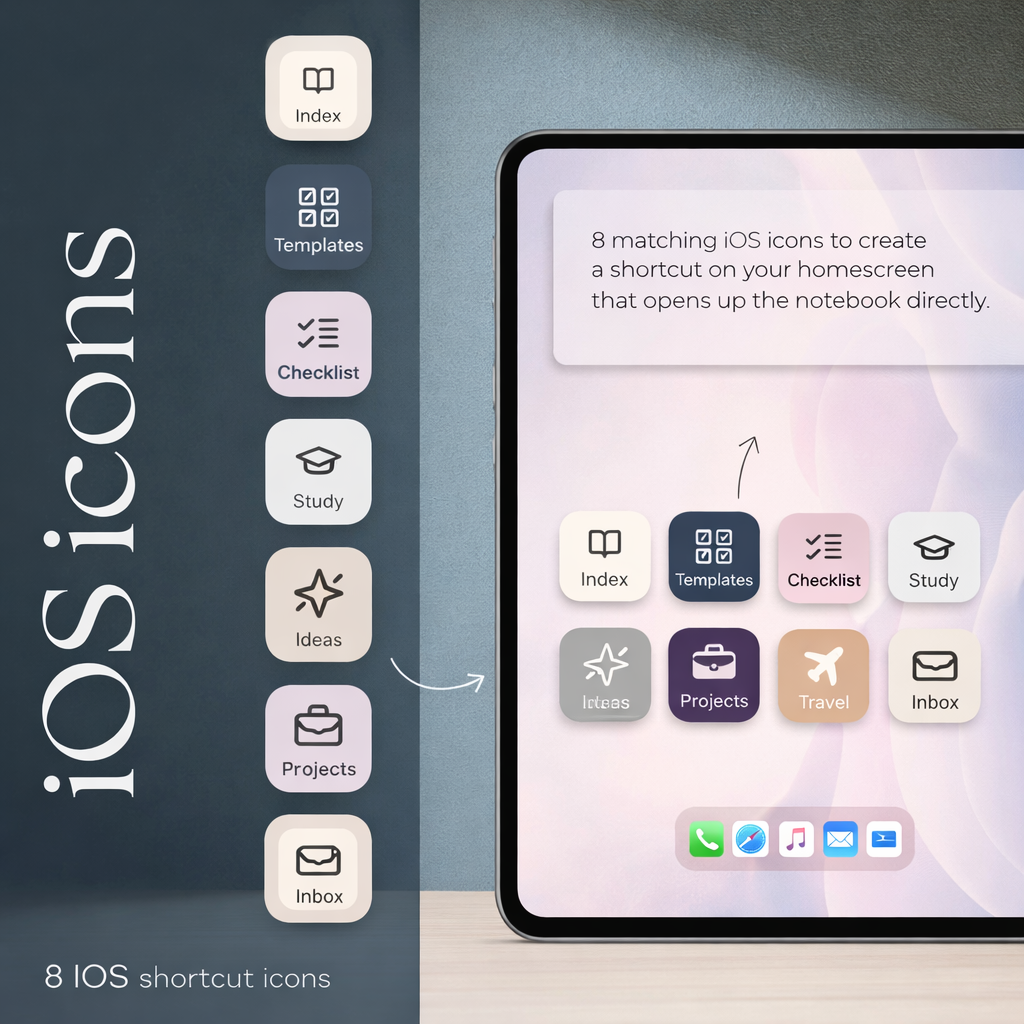
The real question: which format is easier to restart?
Most planners do not fail because the user lacked ambition. They fail because the system became too heavy to restart after a few missed days. This is the hidden reason digital versus paper is such a powerful keyword. People are not only comparing formats. They are comparing recovery speed. If you skip a week, does your planner make you feel behind or invited back in?
In this sense, both paper and digital can be designed well or badly. A dense paper planner can feel just as oppressive as a cluttered digital one. A calm digital planner with clear weekly and daily anchors can feel much easier to return to than a paper book packed with tiny boxes. PlannerPier has a strong brand opportunity here because decision removal is really about restartability. The best system is the one that helps you resume without drama.
When a hybrid routine makes the most sense
Some users do not need to pick one forever. A hybrid system can work well when digital handles structure and paper handles reflection. For example, your tablet planner can hold monthly planning, weekly priorities, and project notes, while a small paper notebook handles journaling, quick thoughts, or on-the-go capture. This can be especially useful for people who love handwriting but still want the speed of linked planning pages.
The important part is to keep role separation clear. If both systems try to hold everything, you create duplication instead of clarity. A hybrid approach works when each format has an obvious job. Digital manages navigation, recurring structure, and reusable planning pages. Paper handles freeform thinking, private reflection, or moments when opening a device feels like too much.
Why PlannerPier should frame the choice around outcomes
The strongest SEO content does not insult paper or pretend digital is automatically better. It explains the trade-offs honestly, then helps the reader decide based on the outcome they want. If the goal is portability, linked navigation, project support, and a repeatable weekly review, digital usually wins. If the goal is tactile ritual and ultra-simple journaling, paper may still be better. That honesty builds trust.
PlannerPier products fit best when the reader wants a calmer planning environment that still saves time. The Digital Notebook for Goodnotes works well for users who need notes and planning in one place, while the Simple Undated Digital Planner is better for users who want a lighter dedicated planning system. That is a softer recommendation than pushing one product blindly, and it is exactly why the content can convert without sounding aggressive.
How to decide between paper and digital in ten honest minutes
If you are undecided, run a quick test based on your last two weeks. How many times did you need to move between schedule, notes, lists, and reference material? How often did you rewrite information because it lived in the wrong place? Did you avoid your planner because it felt messy, heavy, or out of date? If those issues showed up repeatedly, digital planning is probably worth trying because it reduces repetition and makes navigation faster. If your current life mostly needs one simple place to write and reflect, paper may still be enough.
The goal is not to choose the trendier format. It is to choose the format that makes repeated weekly decisions easier. That framing is useful for SEO because it speaks directly to user intent, and it is useful for PlannerPier because it aligns with the brand promise. People do not need more planning pressure. They need a format that helps them see what matters, capture what is loose, and restart without friction when the week gets unpredictable.
Cost, portability, and maintenance over a full year
Another practical way to compare paper and digital planning is to zoom out beyond a single purchase. A paper planner can be inexpensive upfront, but many users add notebooks, sticky notes, page markers, replacement books, and extra accessories over time. A digital planner may require a tablet and app investment, but once the device is already part of your work or study life, the ongoing planning system becomes much more reusable. You can duplicate layouts, keep prior years archived, and avoid rebuying the same structure every time your routine changes.
Portability also matters differently for different people. A paper planner wins if you want a single object with no battery dependency. A digital planner wins if your life already depends on one device for meetings, classes, reading, or travel. In that case, carrying the planner inside the same environment reduces friction. Maintenance is the final layer. Paper maintenance often means rewriting and manually reorganizing. Digital maintenance usually means adjusting layouts, duplicating pages, or reorganizing files, which is often faster once the workflow is learned.
What this means for someone choosing a first PlannerPier product
If you are moving from paper into digital for the first time, your best first product is usually not the most decorative one. It is the one that helps you prove the new workflow works. A calmer planner or notebook gives a better transition because it preserves the clarity people often love in paper while adding the speed benefits of digital navigation. That is why PlannerPier's lighter layouts are strategically important. They do not ask the user to become a different kind of person. They simply help the user carry less planning friction into the next week.
This also supports a better SEO narrative. The content does not need to say digital is always superior. It only needs to show where digital planning creates measurable advantages for layered routines. When the article helps the reader diagnose their real bottleneck, the product recommendation feels natural. That is exactly the kind of soft commercial intent Google tends to reward because it keeps the content useful first and promotional second.
Frequently asked questions
Are digital planners better than paper planners?
Not always. Digital planners are usually better for navigation, flexible layouts, and keeping notes close to plans, while paper can feel more immediate and calming for simple routines.
Do digital planners actually save time?
They do when the file is well designed. Hyperlinks, reusable pages, and keeping planning next to notes can reduce repeated setup and weekly friction.
Who should switch from paper to digital planning?
People with layered schedules, lots of supporting notes, or a need for linked sections and reusable layouts usually benefit most from switching.
Choose the format that makes follow-through easier
If digital planning would save you time, PlannerPier can help you move from paper-style overwhelm to a calmer linked workflow. Explore planners, notebooks, and tools at https://www.plannerpier.com/.